STARK
STARK


Account for the scheduled work
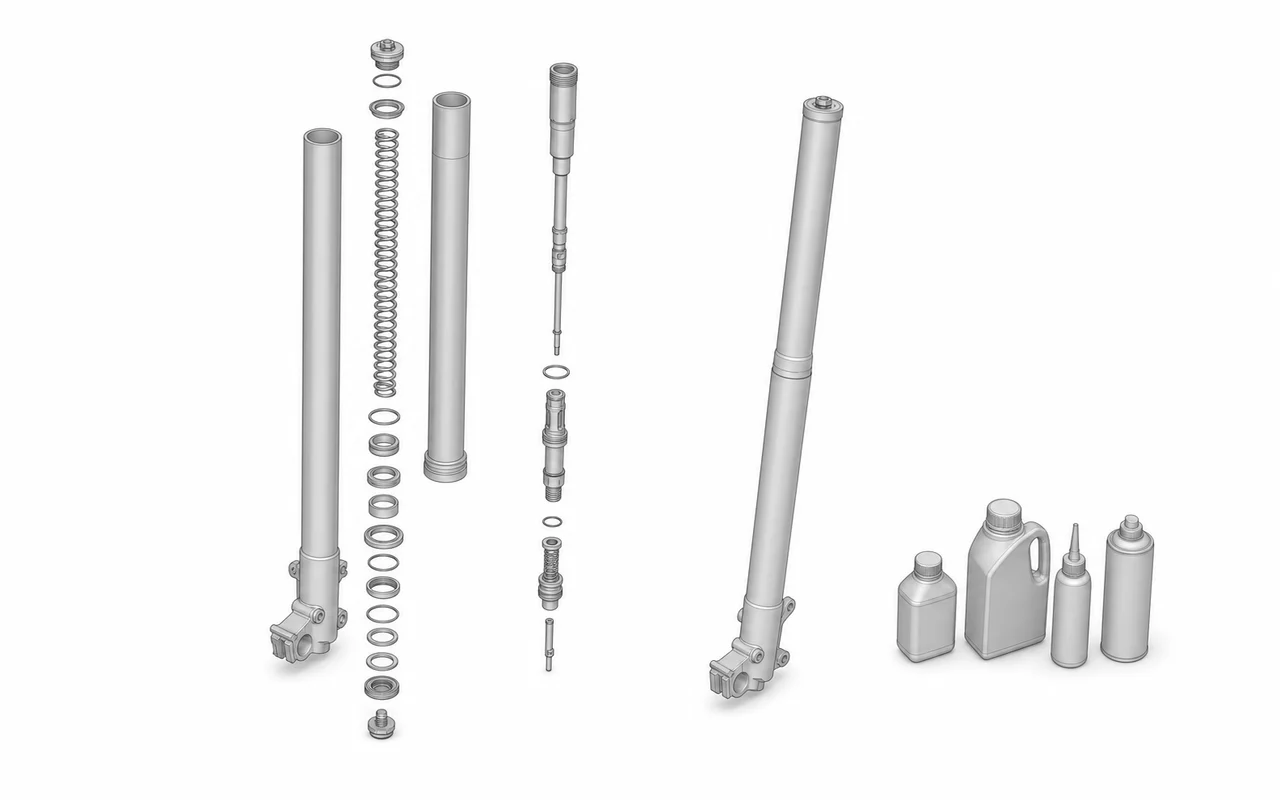
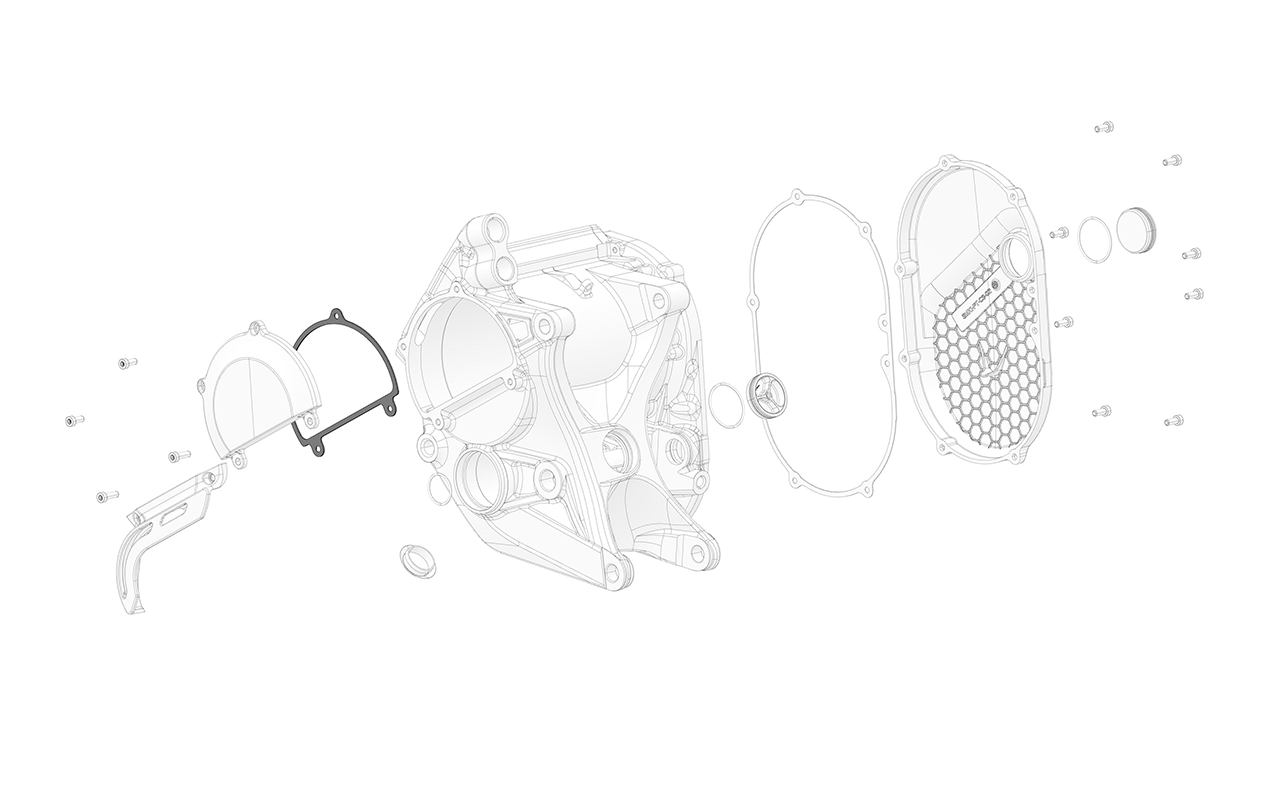
Ask for dated evidence of the break-in gear oil at 5 hours, fork oil at 15 hours or 12 months, and fork and shock service plus gear oil at 40 hours or 12 months. The schedule also specifies workshop inspection of motor gears and bearings at 80 hours or 12 months.
Match invoices and inspection notes to the hours recorded when each task was completed. Missing paperwork proves no particular fault, but it leaves uncertainty that should be resolved through inspection before you commit to the motorcycle.
Judge the chassis as an off-road chassis
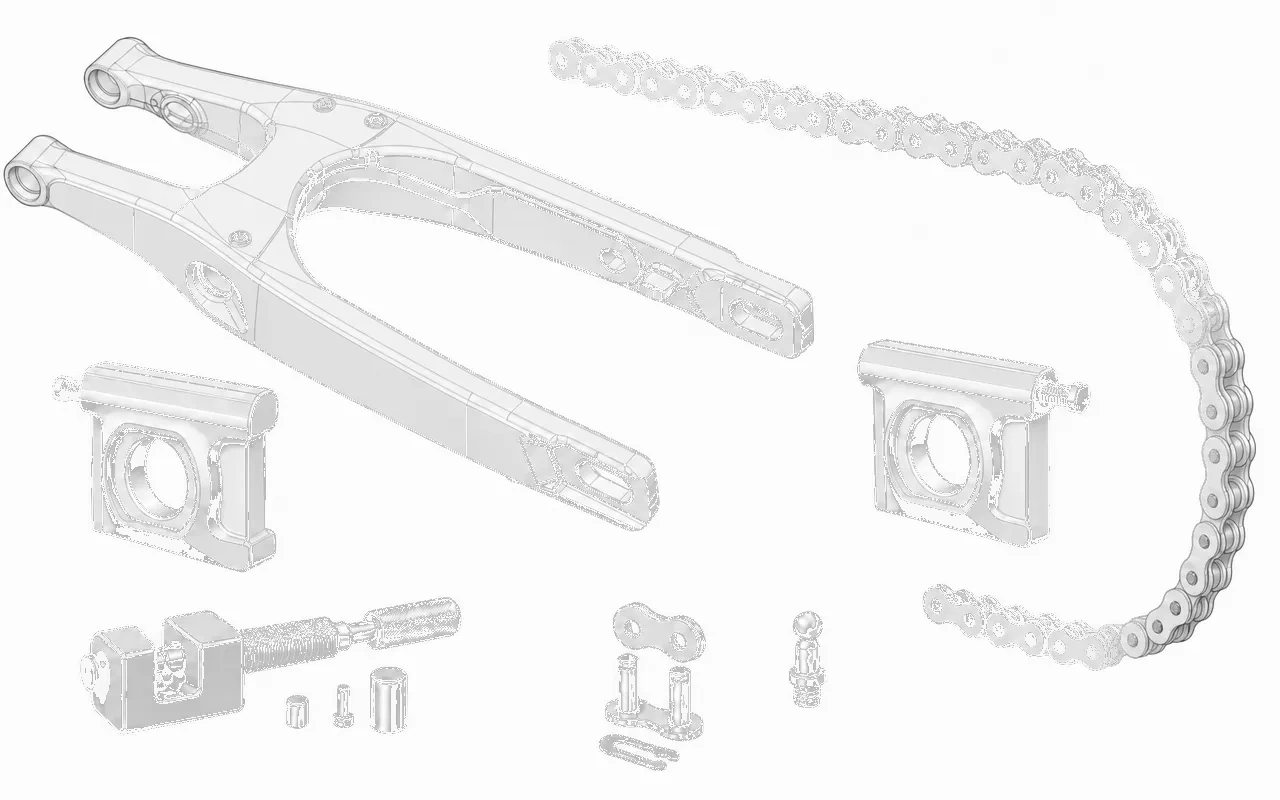
Electric drive removes the combustion engine, clutch and air-filter tasks familiar from conventional enduro. Tyres, brake pads, chain, sprockets, guides, bearings, suspension seals and fluids still carry the consequences of terrain, rider load, cleaning and setup.
Look for uneven wear, impact damage, contamination, bearing play and leakage. Current faults matter more than cosmetic freshness or an impressive hour total, particularly where replacement records fail to match the condition in front of you.
Demand findings, not impressions
Keep software changes and rider comments separate from confirmed workshop findings. Battery, inverter, motor, internal electrical and high-voltage condition require the proper diagnostic route; an external inspection cannot settle them.
A complete record gives the technician a credible starting point and shows whether scheduled attention was deferred. It cannot guarantee future reliability, but it makes a 200–220-hour motorcycle far easier to assess honestly.