STARK
STARK

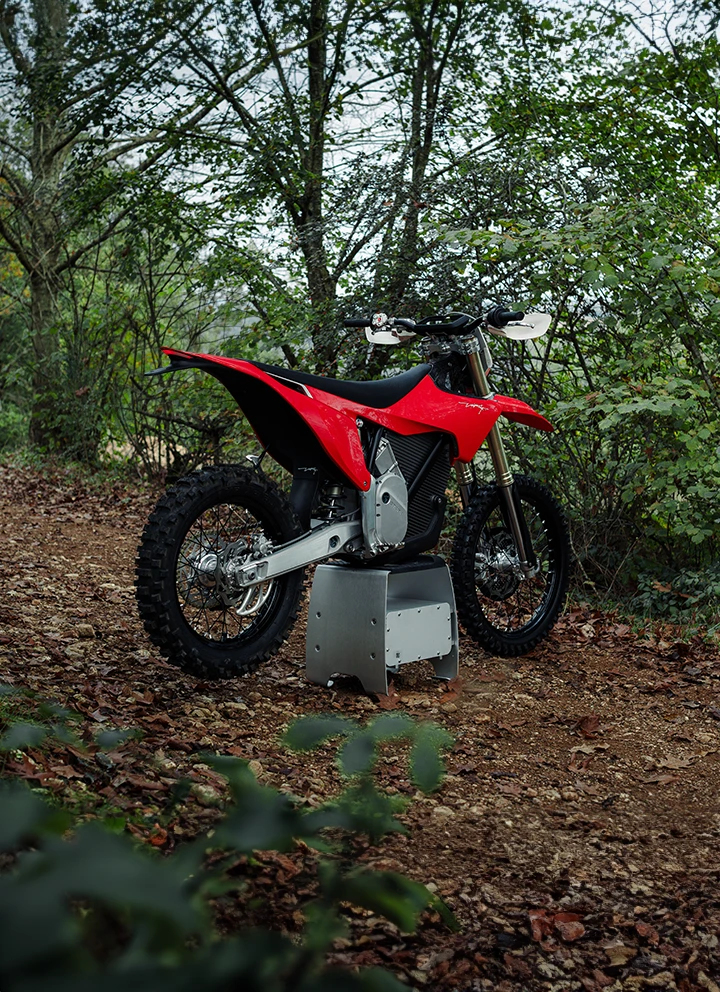
Repeat one check before every ride
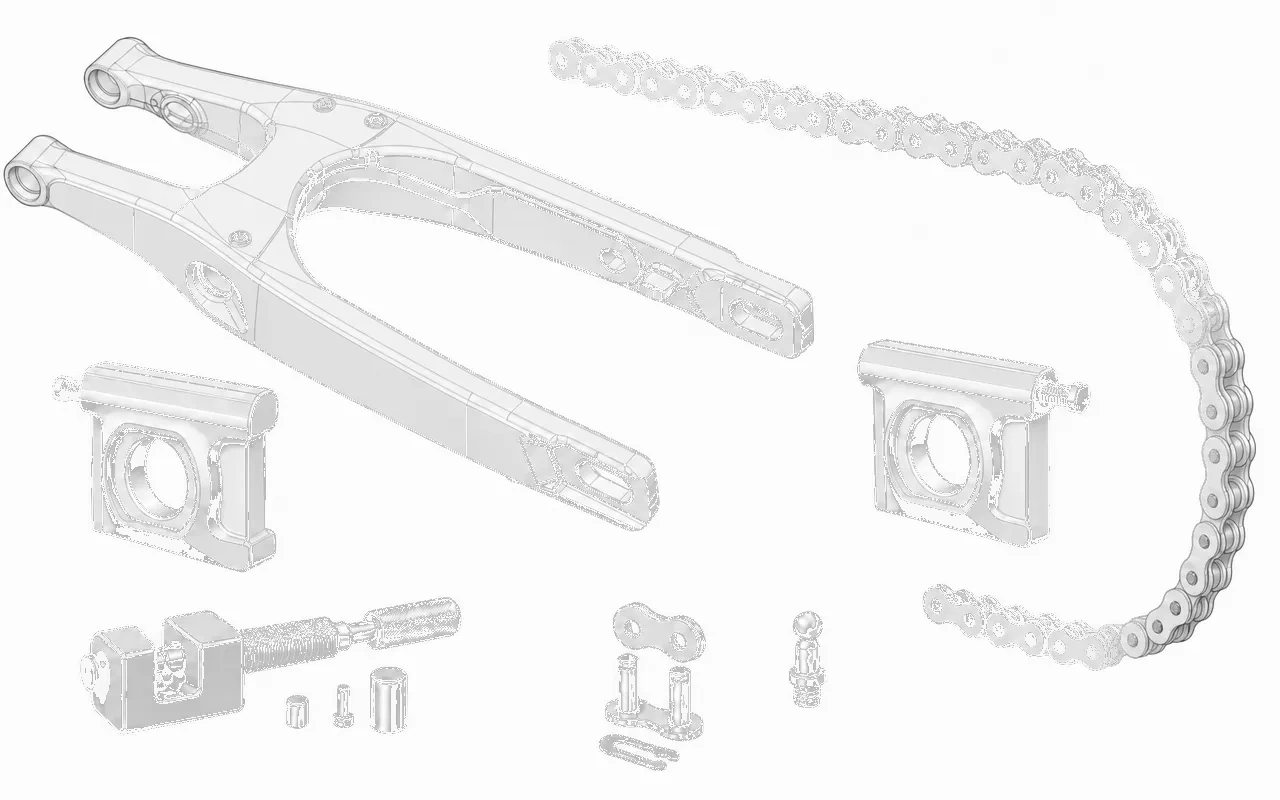
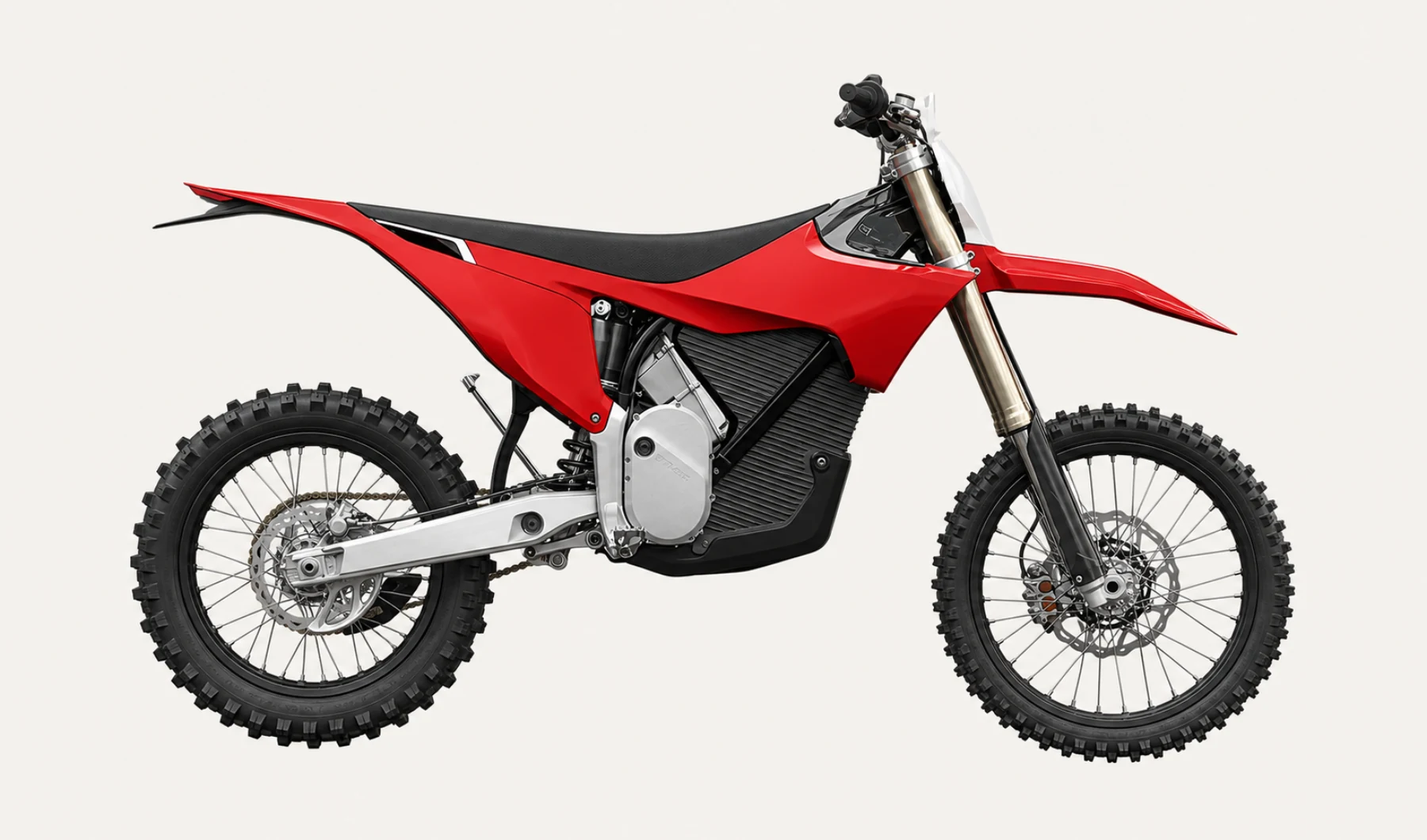
Silence from an electric drivetrain says little about the chassis around it. Inspect the wiring, brakes, frame and suspension, including signs of leakage. Continue around the battery and cooling system, then check chain tension and wear, sprockets, tyres, spokes and wheel play.
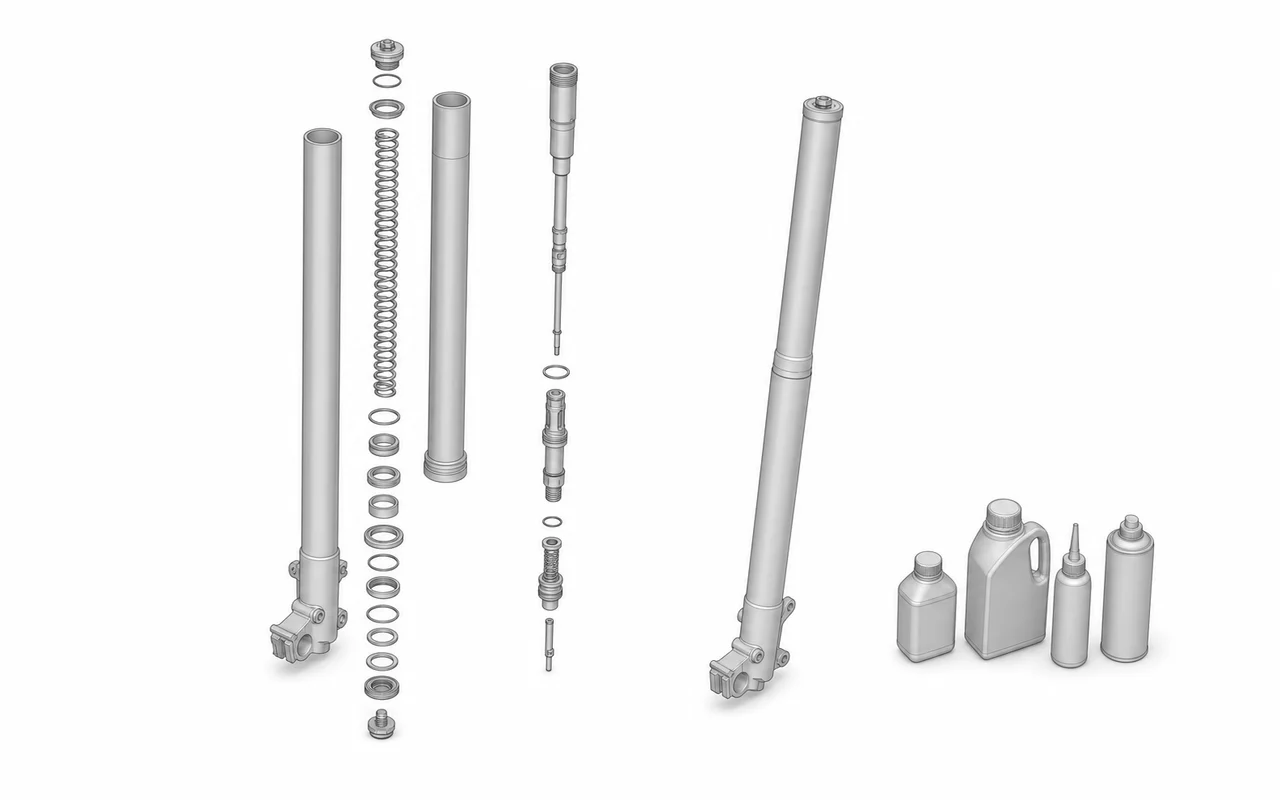
Following the same order each time makes omissions less likely. After riding, clean the motorcycle so damage, leaks and wear remain visible. Lubricate the chain and docking-station release before and after riding, then bleed the fork after every session with it fully extended.
The first intervals arrive fast
Change the break-in oil at 5 riding hours. Record hours from the first outing because a few active days can consume that interval before an estimated log catches up.
At 15 hours or 12 months, change the fork oil and clean and lubricate the shock and linkage bearings. The calendar limit applies even to a lightly used motorcycle: whichever threshold arrives first triggers the work. Keep dates and operating hours in one service record.
Book the 40- and 80-hour work
At 40 hours or 12 months, the fork and shock require service and the gear oil must be changed. Arrange workshop time early if the interval will land during your riding season.
At 80 hours or 12 months, a workshop must inspect the motor gears and bearings. Opening the motor at home falls outside routine owner maintenance; workshop-labelled procedures belong with a qualified technician. Keep invoices, dates and hours together so the technician can see the motorcycle’s history.
Annual work still applies
Brake fluid and coolant are both scheduled for replacement every year, regardless of low operating hours.
Treat the published intervals as maximum planning points. Inspect sooner after severe use, an impact or the appearance of play, leakage or unusual noise. A motorcycle already showing a fault needs attention before its next scheduled checkpoint.