STARK
STARK

What the first oil change removes
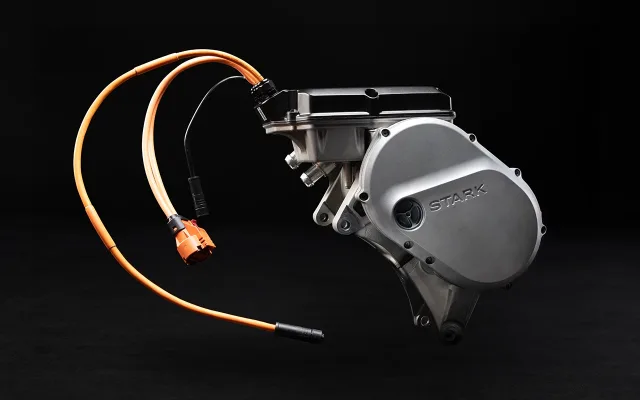
During the opening hours, the working faces of the transmission gears bed together. Very fine metallic particles can enter the oil as their contact pattern develops. This is normal running-in contamination rather than an expectation of visible fragments or damaged parts.
Changing the oil at this point prevents those fine particles from remaining in circulation through the normal service period. A leak-free motorcycle with no warning signs still needs the scheduled change; the purpose is to close the bedding phase, not to respond to a fault.
Treat 5 hours as the service point
Stark schedules the break-in transmission-oil change after 5 riding hours. Plan it before the counter reaches that point, particularly if one long training day could take the motorcycle past it. Record the hours and date immediately after the work is completed.
The next gear-oil change is due at 40 riding hours or 12 months, whichever comes first. Water ingress, unusual noise or a leak calls for earlier inspection rather than waiting for the scheduled interval. Heavy use also justifies checking the motorcycle before the next routine service falls due.
Use the specified oil and service route
The owner’s manual specifies SAE 75W-90 gear oil. Follow that viscosity instead of transferring lubricant habits from a combustion motorcycle, and check the manual edition for the exact model and year before the service.
Use the official owner procedure only where the task label and your competence allow. Workshop-labelled work and any concern involving the powertrain or electrical system belong with a qualified technician. Once completed, set the next reminder from the official schedule so the first change becomes the start of a clear maintenance record.