STARK
STARK
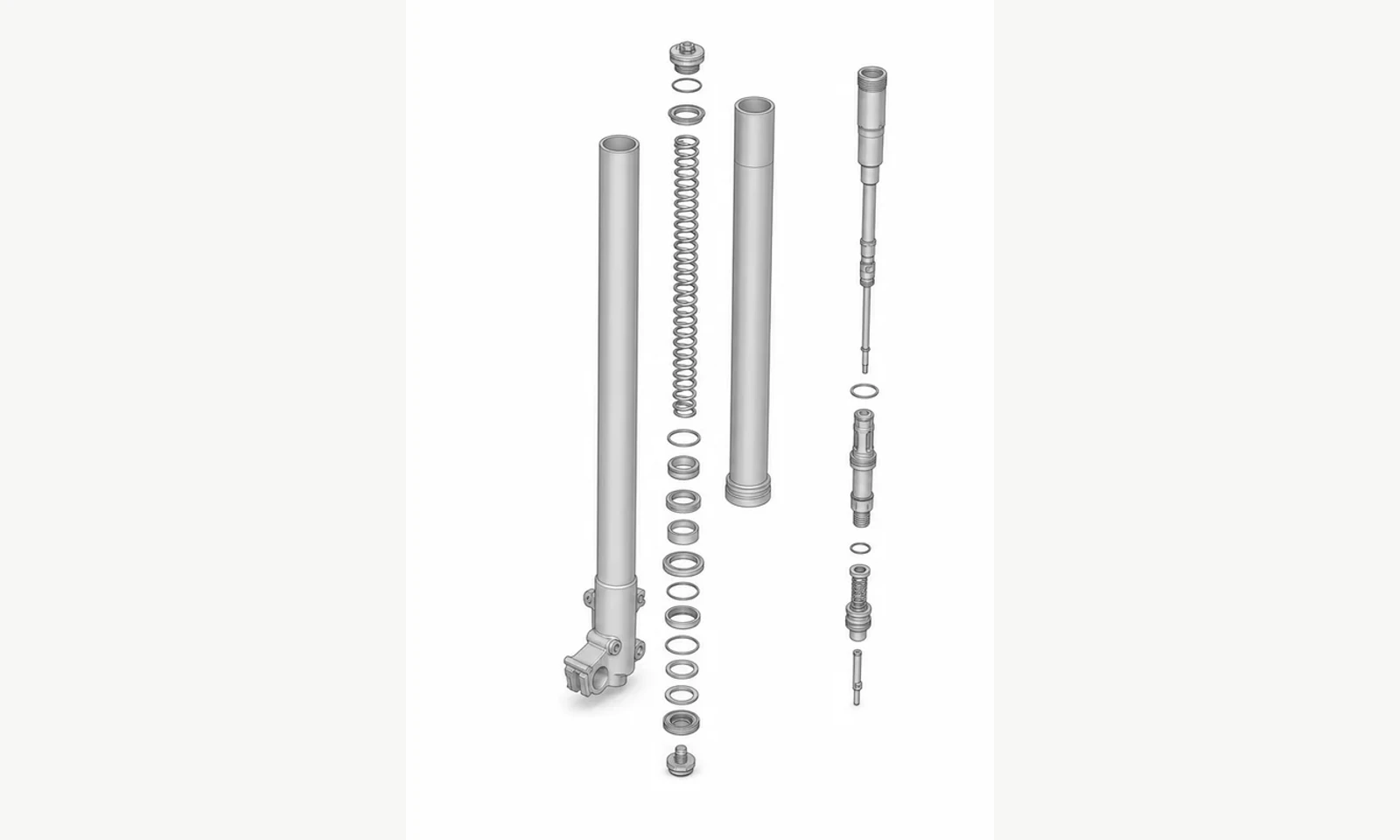
Why an early fork inspection is proposed
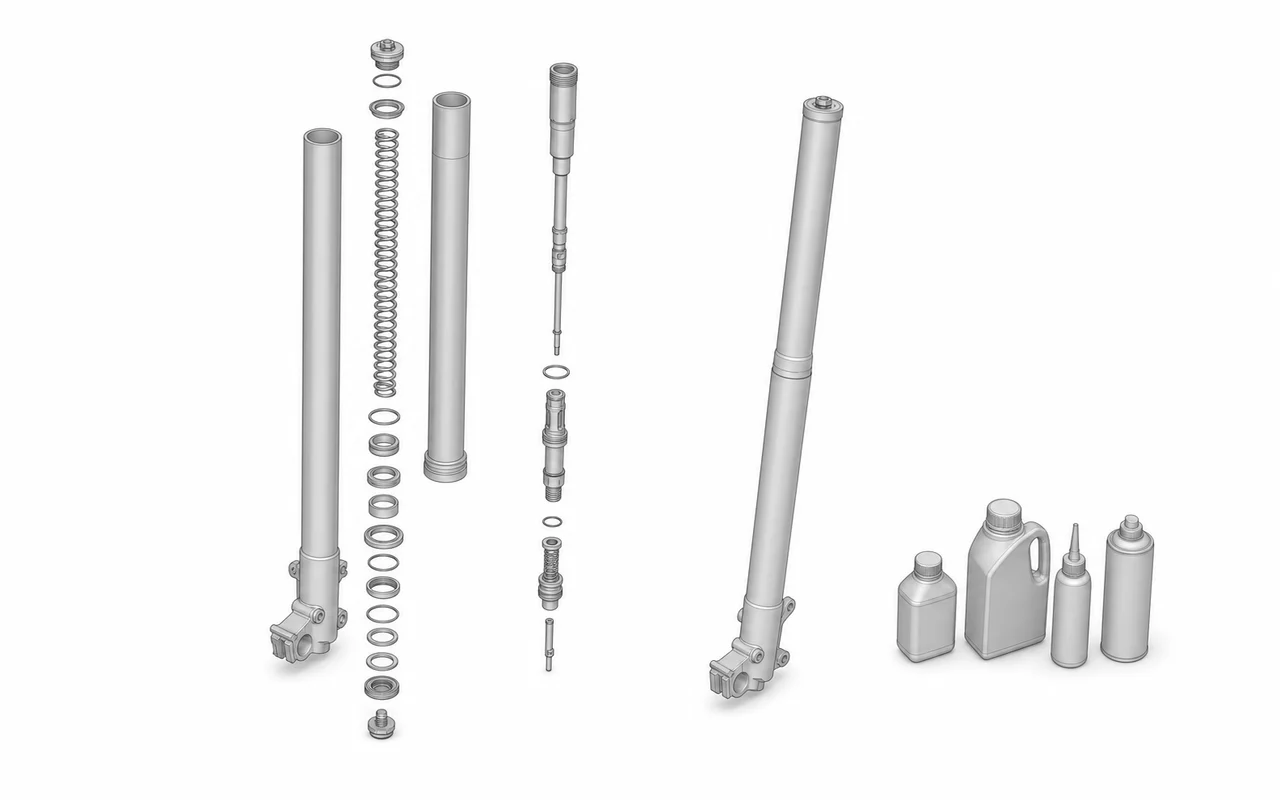
A new fork begins bedding in from its first ride. Springs settle and can contact the tube, while bushings, seals, piston bands and coated sliding surfaces start working together. The oil carries fine material from those interfaces and may darken even when the fork feels normal and remains dry.
Published specialist advice ranges from cleaning after 3–5 hours to fluid replacement after 10–15 hours. Sebastian’s 5–10-hour window sits on the conservative side for an off-road motorcycle. Riders following Stark’s standard schedule should retain the official 15 riding hours or 12 months checkpoint.
What the workshop should establish
The service removes running-in contamination and lets the technician inspect the oil, bushings, seals and sliding surfaces. The components are cleaned before the correct fresh oil and level are restored. Large chips, damaged coating, play or leakage require separate diagnosis.
Treat this visit as a condition check and clean mechanical baseline. A spring, damping or valving change should follow evidence from rider weight, pace, terrain and the inspected suspension. An early service alone creates no automatic need for a revalve or other upgrade.
Choose the timing from the workload
Book closer to 5 hours for race pace, hard enduro, repeated jumps, mud or frequent washing. Moderate recreational use can place the visit nearer 10 hours. Leakage, play, metallic noise, obvious stiction or a sudden damping change should be inspected immediately, regardless of the counter.
Continue the official routine afterwards: bleed the fully extended fork after every ride, replace the fork oil at 15 riding hours or 12 months, and service the fork and shock at 40 riding hours or 12 months. The early visit closes out break-in; it does not cancel the scheduled work.