STARK
STARK


Read the 500-hour statement narrowly
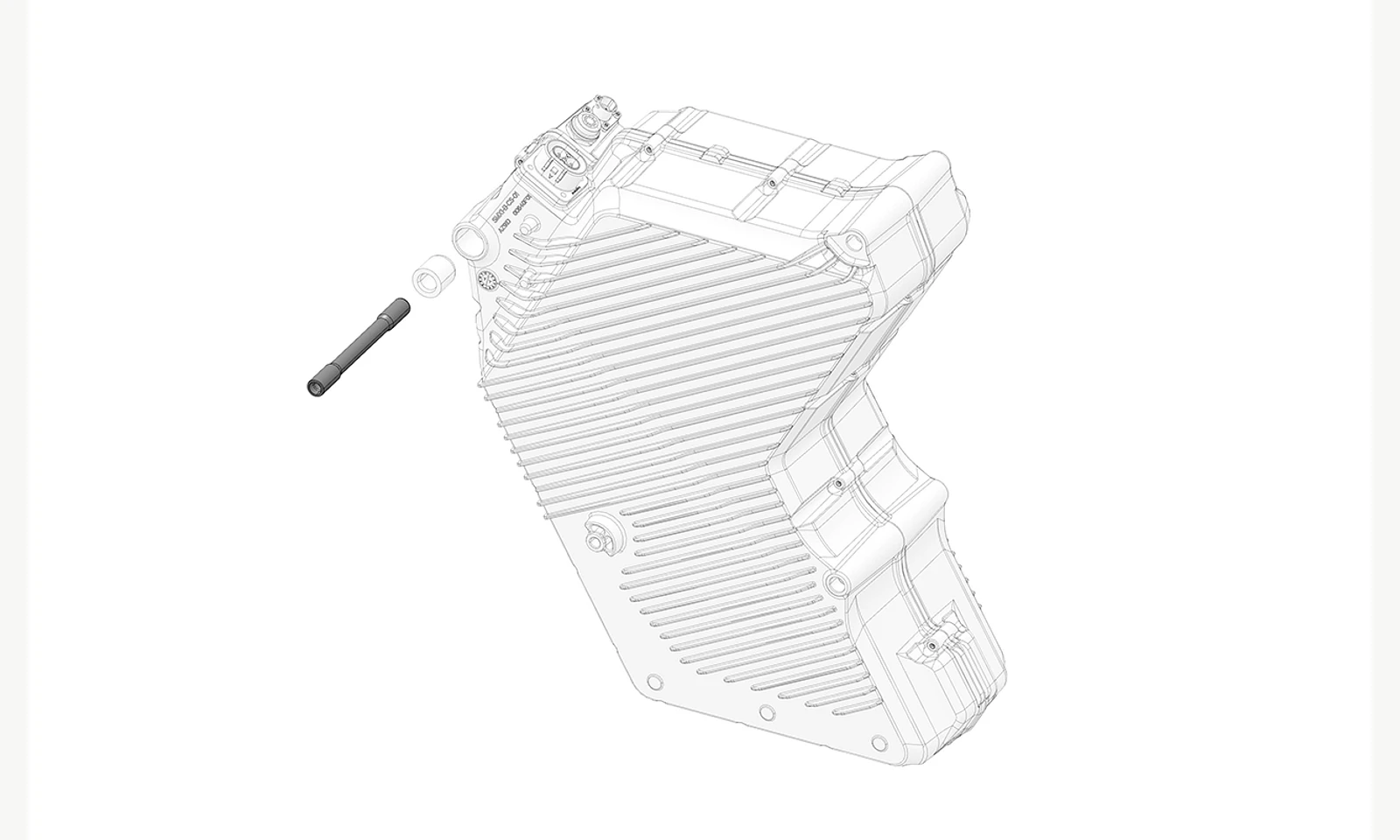
The manual’s 500 running hours cannot provide a battery degradation percentage, remaining range or replacement cost. When assessing a used motorcycle or planning ownership, treat operating hours as a record of use rather than a battery-health measurement.
Battery condition depends on more than the counter. Terrain, pace, selected map, traction, temperature and rider demand all change observed range, while the displayed state of charge remains an immediate estimate. Budget decisions need evidence from the motorcycle rather than a deadline inferred from one manual line.
Follow the storage routine
For longer storage, leave the battery at 30–50% and keep the motorcycle in a dry, frost-free area. Temperature must remain between 0 and 30°C, with 10°C preferred. Check the battery status every 2 weeks.
If charge falls below 30%, recharge it to 50%. The manual also says not to charge below 4°C and requires a dry charging and storage environment. This routine is sufficient; repeatedly filling the battery during storage adds no benefit under the stated guidance.
Compare range under matched conditions
When range appears to change, repeat the same route with comparable terrain, selected map, starting charge, temperature and rider load. Record the software version, displayed charge at the beginning and end, riding conditions and any messages. One unmatched ride gives you an observation rather than a trend.
Send persistent or abrupt changes through Stark or an authorised service path. Do not open the battery or attempt high-voltage, inverter, motor or internal electrical diagnosis. Controlled professional testing is the point at which a rider’s range record can become a defensible battery assessment.