STARK
STARK


Give every slot a clear job
Use the slots in this order: technical going, faster tests, motocross, low-grip terrain and comparison. The comparison slot should duplicate the terrain map under review with only one variable altered. This makes it useful for testing rather than leaving it as another vaguely softer or stronger map.
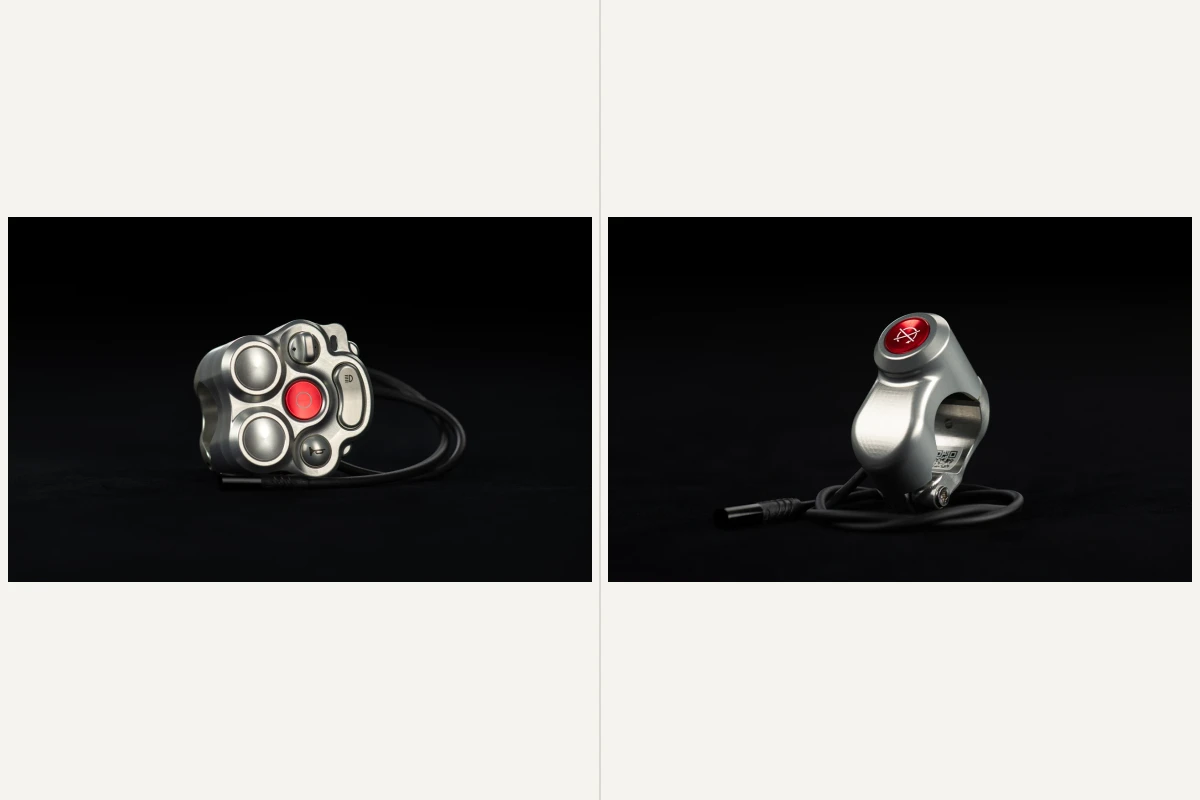
VARG allows 5 maps to be stored and selected from the handlebar controls. Check the functions active on your exact motorcycle and software plan first, because Standard and Alpha configurations provide different feature access.
Set power against the terrain
Run a short, familiar loop and hold the remaining controls steady. Adjust power until the bike responds cleanly without demanding constant throttle correction. Extra output raises available acceleration and asks more precision from your right hand; tight roots and stones may give you nowhere useful to spend it.
Cycle News reported a 25–35 hp trail sweet spot with engine braking around 30 during its six-month VARG EX test. That is a credible test point, not a universal preset. Lower power alone guarantees neither grip nor range.
Separate braking and traction changes
Where your configuration provides them, assess engine-braking response, regeneration behaviour and traction control separately. Record the terrain, tyre, rider fatigue and battery use, retain the stronger result and verify it on another day before replacing your baseline map.
Enduro.de’s 74-hour owner report used engine-braking references of 50% for slow or hard enduro and 80% for motocross or fast special tests. Try those figures as reference points only; your useful setting depends on the surface, pace and response you want on corner entry.